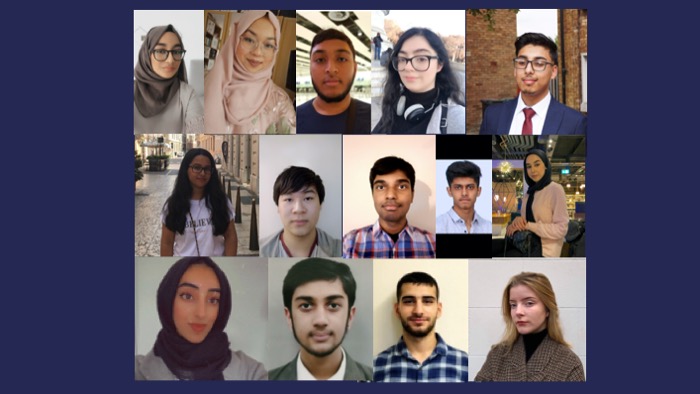
Tata Consultancy Services Digital Explorers Bursary recipients 2020-2021
Leading global IT services, consulting and business solutions organisation, Tata Consultancy Services (TCS) made a generous gift in support of undergraduate students of Computer Science at Queen Mary University of London earlier this year.
The significant donation was used to establish a new bursary scheme that offers twenty scholarships to students from low income households, and to female students, who are under-represented in the field of computer science.
The UK-wide lockdown has resulted in universities who may have had a traditional model for course delivery with in person teaching, move to more flexible approaches, with pre-recorded lectures, Zoom tutorials and peer support channels over Discord becoming the norm.
The OfS funded Institute of Coding operate on a flexible learning model, often involving slightly shorter modules and the possibility to study while working, and they have been reflecting on how this sort of flexible approach is improving diversity in digital skills education.
“…existing educational offerings can be inaccessible for some – because of time constraints, household obligations or other reasons that keep people from accessing a full university education. Further, traditional in-person education is not feasible for many at this time due to the pandemic.”
Quoted from the article “Flexible learning can improve diversity and inclusion in higher education” by the Institute of Coding.
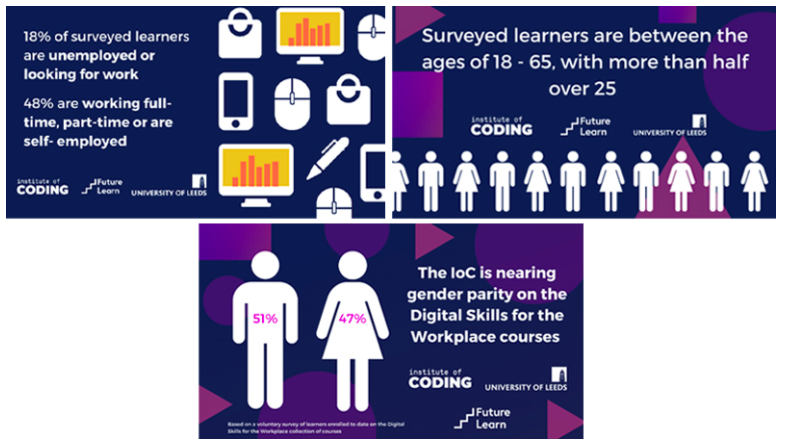
Since launching in Dec 2019 they found that their courses have attracted a wide variety of participants including:
47% of surveyed participants being women (compared to 16% of women on traditional computer science courses across the UK)
People outside the traditional university age cohort, with over half of the surveyed participants being 25 or over
People looking for work or working and at different stages of their career
For more of a discussion on this, see the original article by the Institute of coding here.
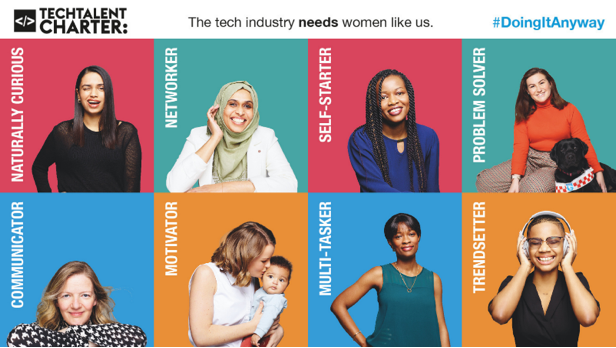
Tech talent charter’s “doing it anyway” campaign is helping women get into tech careers. They list inspiring stories from women who started out or retrained into tech careers. They also encourage training through the Institute of Coding and have a list of other training courses that can be filtered by UK region and by type of funding.
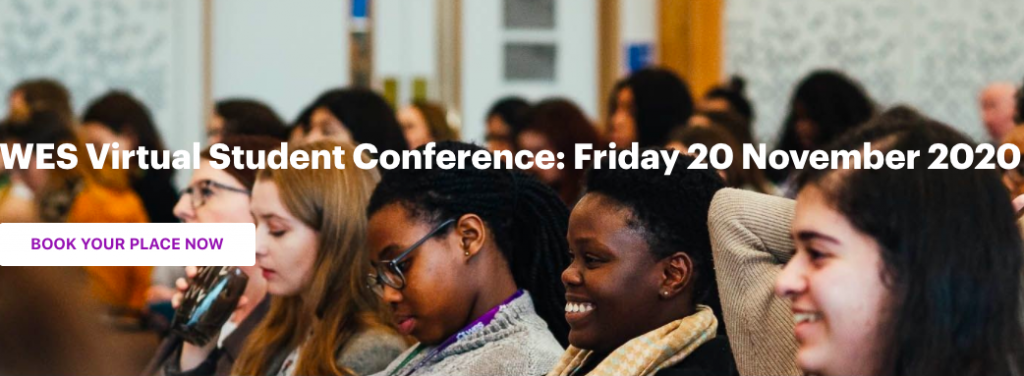
On Friday 20th November the Women in Engineering Society is hosting a virtual conference for all women engineering undergraduates aged 18+ with talks, meeting spaces, panels and webinars focusing on the theme ‘Shape the World’.
As well as keynotes by Dame Judith Hackitt from Make UK and Dr Ozak Esu from BRE, there will be focused sessions on online interviews, mastering your budgeting, sourcing work experience and other placements, and leadership and personal brand.
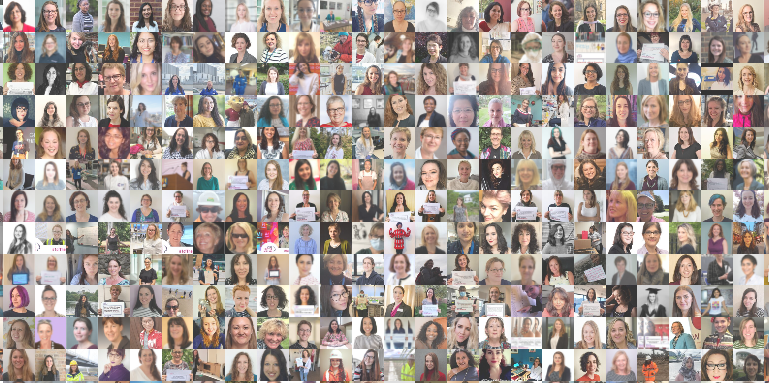
The Women in Science and Engineering group (WISE) are celebrating the fact that there are more than 1 million women working in core STEM roles across the UK for the first time ever. To celebrate this they are creating a gallery of faces and stories and including handy facts about women in the STEM workforce. Those who want can upload their photo and story for #1of TheMillion day on 4th November. They will celebrate role models (mentors and allies of any gender) encouraging women to pursue STEM.
The IEEE signal processing society has begun a new series highlighting women in signal processing. This begins this month with a profile of Dr. Mari Ostendorf.
This month is Black History Month, an opportunity to celebrate the achievements, contributions and histories of Black people in the UK and around the world.
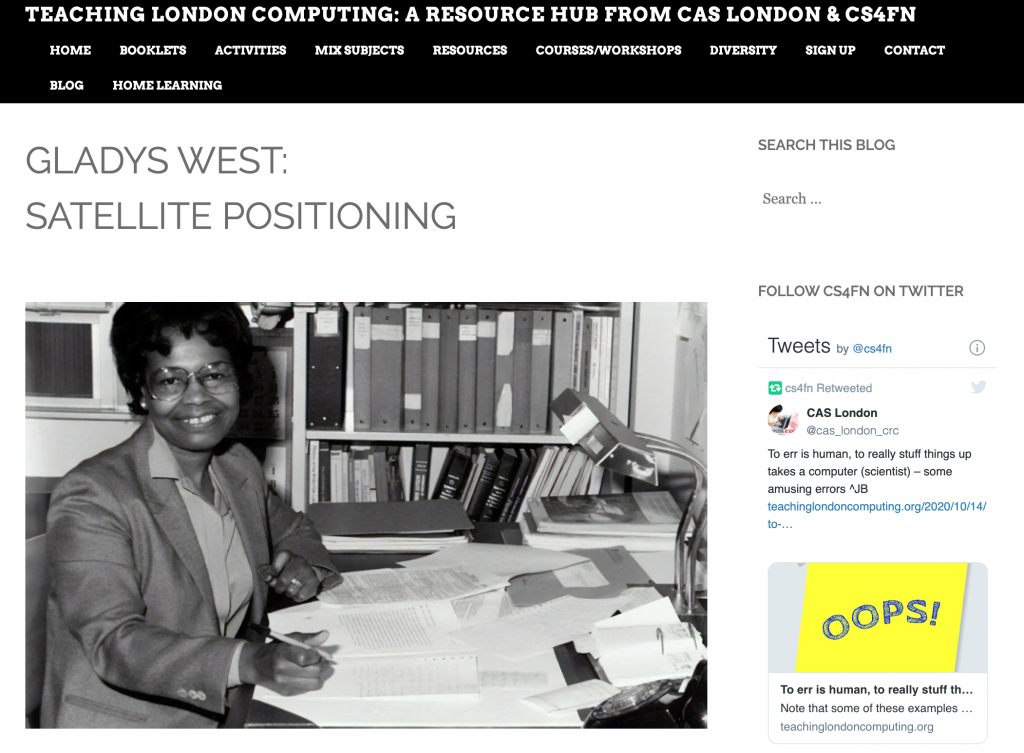
Professor Paul Curzon and Jane Waite at the School of Electronic Engineering and Computer Science have produced engaging school resources and activities for teachers and students which recognise the achievements of black computer scientists past and present.
You can find out more and download posters for free here.
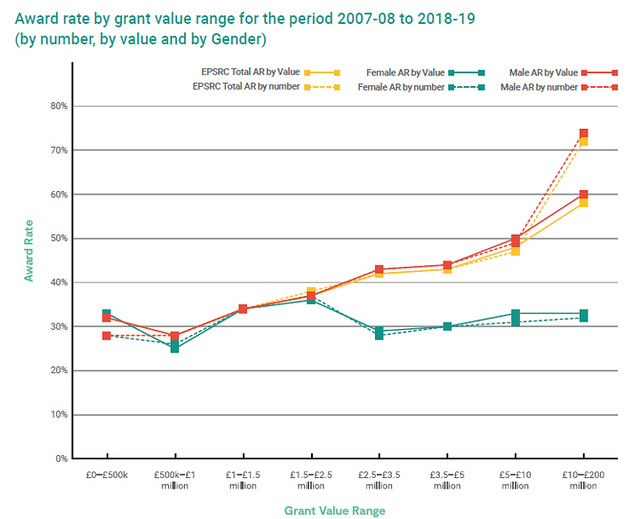
Earlier this year UKRI published aggregated diversity data regarding grant applications and successes, with findings that women and ethnic minorities apply for and are awarded smaller amounts. More recently some finer grained data was released showing furthermore that the award rate for men and women diverges for larger grant values.
EPSRC are concerned by these findings and are investigating possible reasons for this; as such they have launched a survey for all researchers to share their reflections and experiences to help better understand the factors behind this gap. A link to the survey is here.
For a thoughtful discussion on the findings and possible actions that could be taken by universities and grant awarding bodies, the blog piece ‘Getting Behind Diversity Statistics’ by Athene Donald, master of Churchill College Cambridge provides some good pointers for reflection.
The UK Department for International Trade (DIT) announced the winners of the first edition of the European Tech Women Awards. This took place virtually during London Tech Week on 2 September.
The event recognised the accomplishments of 24 women from 12
countries who delivered revolutionary projects in the UK and Europe. It
celebrated the UK’s diversity, openness and willingness to champion
female leaders.
Computer Weekly has announced the 2020 list of the Most Influential Women in UK Technology, including this year’s winner, Anne-Marie Imafidon, CEO of Stemettes.
We use cookies to ensure that we give you the best experience on our website. If you continue to use this site we will assume that you are happy with it.